insights
Caregivers Don't Want Learned Empathy — They Want to Feel Known
By Melinda Phillips
Apr 10, 2026
I read something this morning that got my attention. A leader in our industry questioned the idea of “learned empathy.” They questioned whether caregivers actually want it. They said that caregivers want to talk to a real person. Someone who remembers their birthday. Their kids’ names. What’s going on in their life.
I’ve now heard versions of this from multiple leaders across our home healthcare industry. And on the surface, I agree. But I think we’re missing something important.
My Aunt Rita passed away last week at 94 years old. She never had children of her own, but she helped raise so many of us, her nieces and nephews and more than 100 children she babysat over her lifetime.
At her funeral yesterday, people said the same thing over and over, Aunt Rita remembered everything! At 94 she had a wide network of church, friends, and family. She could remember everyone’s name, their children’s names, their grandchildren’s names, and what was going on in everyone’s life.
The minister asked her caretaker, my sister, if she had “the list.” My sister explained that she didn’t believe it was a physical list, but merely something Rita carried in her mind. And, every day, she prayed for everyone on that list.
It reminded me of Mark Baiada, BAYADA Home Health Care Founder. During my time at BAYADA, I saw this firsthand. He had the same ability. He remembered everything about everyone – their names, their kids’ names, where they went to school, how long they had been with the company. It was remarkable, and it made people feel seen.
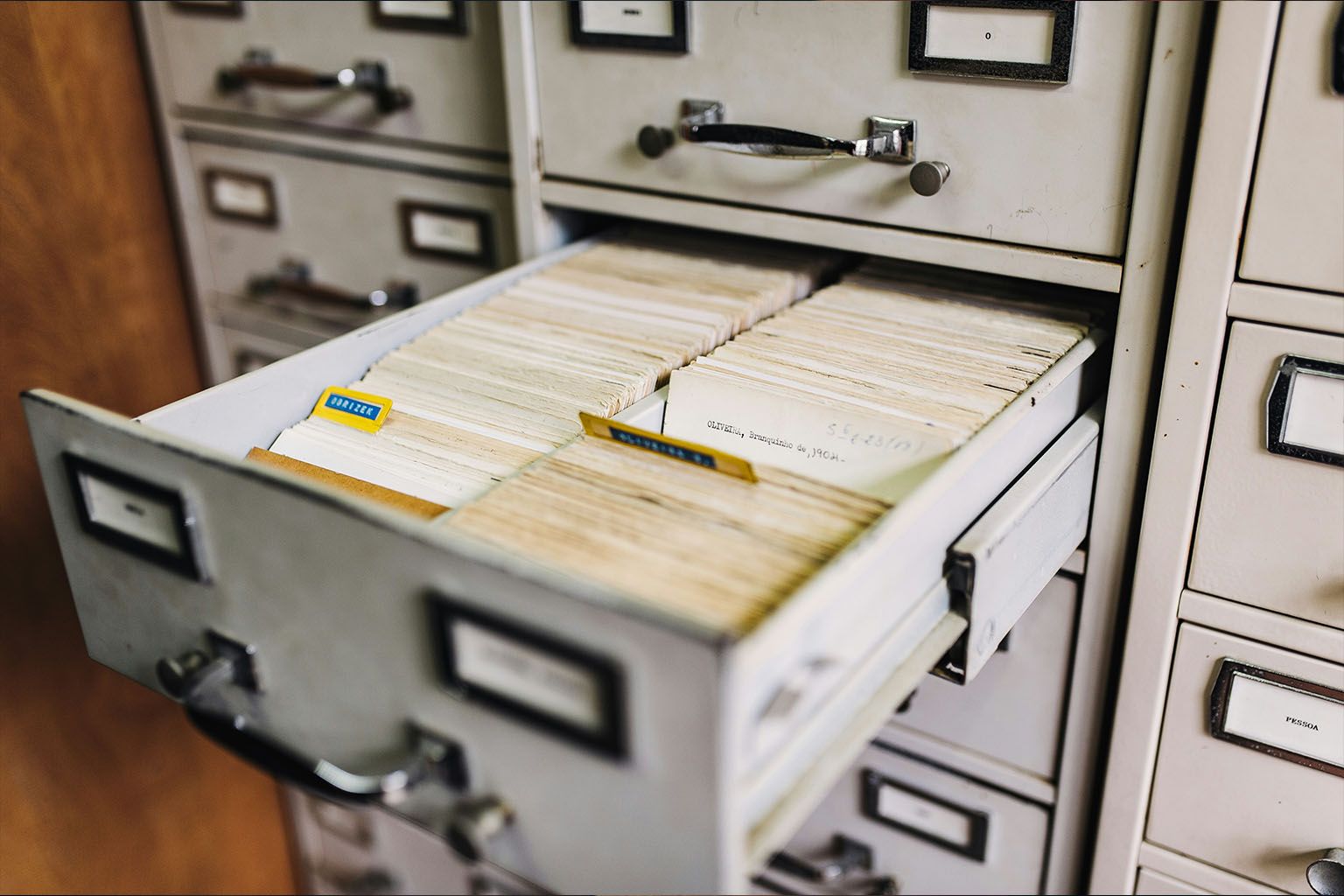
Early in my career, I worked with a leader who didn’t have that kind of memory, but he cared just as deeply. So, he built his own system, a simple file box filled with index cards. Each card had an employee’s name, and underneath were important dates, life events, and simply things that mattered.
I remember one example: “Nurse Susie – 3/30/1995 – Son fell and broke his arm.”
Back then, our systems were basic. DOS screens. Limited notes. Minimal tracking. So, he created his own version of remembering. If Susie came in to pick up her check, he would quickly pull her card, and he would ask about her son.
Here’s the question. Given that he couldn't remember without being reminded,
Did he care less than my Aunt Rita?
Less than Mark?
Or did he just understand his limitations and design around them?
Over time, our systems evolved. We moved from using memory to index cards, and then to basic digital notes. But even then, it still required effort.
You had to run reports, look things up, and really…remember to check. In a day full of callouts and new case openings, let’s face it, things got overlooked. It got overlooked because it wasn’t embedded into how we worked. And sometimes, it just got lost.
Today, we have AI. And this is where I think the conversation is getting off track because we’re debating whether technology can replace human connection instead of asking:
How can it help us deliver it more consistently?
Imagine this instead:
A coordinator walks into their day and sees:
- a reminder of caregivers with birthdays today
- a prompt to check in on someone whose parent is in the hospital
- a note that a caregiver hasn’t worked in a few weeks, with context as to why
A quick message goes out:
“Hey, I saw your mom was in the hospital. Just wanted to check on you. How are things going?”
This all happened, not because the coordinator remembered on their own, but because the system made it easy to show up. This isn’t less human; it’s actually closer to what my Aunt Rita and Mark did. The difference is, they could hold it all in their mind. Most organizations and people can’t.
We’ve had evolving tools for as long as I’ve been in this industry. The difference now is that we can finally embed this into how we operate. Not as a nice-to-have. Not as a manual process. But as part of the standard way we lead people.
How can you make this real today? (Practical Steps)
1. Define What “Knowing Your People” Means. Don’t leave this abstract.
Decide what matters:
- birthdays
- family dynamics
- schedule preferences
- career goals
- recent life events
Make it part of your data model. The wonderful thing about AI (that is different from EMRs) is that you get to design your cultural norms inside the system. Your secret sauce can be yours!
2. Capture It Consistently
Stop relying on memory or scattered notes. Build simple ways to:
- log meaningful moments
- update life changes
- track preferences over time
3. Trigger It at the Right Time
This is where AI changes everything. Instead of storing information, use it to prompt outreach, surface key moments, and remind leaders when it matters.
4. Build It Into Your SOPs
This can’t be optional. It must be part of daily workflows, coordinator expectations, and leadership routines.
Example:
Stand-up/start of day = “who needs a touchpoint today?”
Weekly review/end of week = “who haven’t we connected with?”
5. Measure It
What gets measured gets done. Track things like frequency of meaningful touchpoints, caregiver engagement, and retention tied to relationship strength.
Bottom Line: Caregivers aren’t asking for “learned empathy.” They’re asking to feel known. To be seen.
The best leaders have always done this: my Aunt Rita, Mark, the leader with a box of index cards. The tools have changed. The expectation hasn’t. We can do it consistently. We can do it intentionally. We can do it at scale.
Not by replacing humanity, but by making sure it shows up every single time it matters.
Latest

insights
Why home healthcare’s next big wave is ‘digital labor,’ not more software
Home healthcare doesn't have a software problem, it has an administrative labor problem. Here's the right AI solution.
By Kunal Sarda · Apr 20, 2026


